Adding AI features to your website isn’t just about technology novelty. Well-implemented AI directly improves the engagement signals — time on site, pages per session, bounce rate, conversion rate — that correlate with both SEO performance and business results. Here’s how different AI integrations affect your visibility and revenue.
AI Chat Consultants
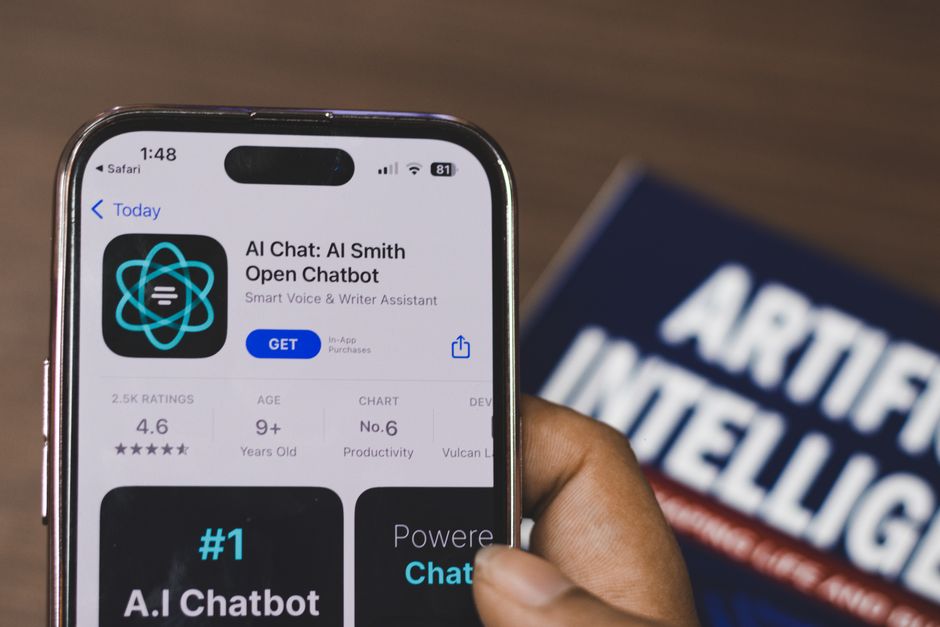
An AI chat assistant that answers visitor questions and guides them toward conversion achieves several things at once: it reduces bounce rate (visitors who get answers stay longer), it increases the likelihood of a qualified contact or purchase, and it generates data about what your visitors actually want to know — which is valuable for content strategy.
From an SEO perspective, reduced bounce rate and increased session duration are positive engagement signals. Google has clarified they don’t directly use these metrics as ranking factors, but higher engagement typically correlates with higher conversion rates and more brand searches — both of which matter.
Have a project in mind?
Get a free estimate in 24 hours — no obligation.
AI-Powered Product Recommendations
For e-commerce stores, AI recommendation engines (“Customers also viewed”, “Frequently bought together”) increase average order value and pages-per-session. More pages viewed means more internal link credit distributed through the site, more time on site, and more chances for users to find what they’re looking for.
Shopify stores can implement AI recommendations through apps like Rebuy or LimeSpot. WooCommerce has similar options. Custom implementations using GPT APIs are also increasingly feasible for stores with specific recommendation logic requirements.
AI-Generated Content: Use Carefully
Google has clarified that AI-generated content isn’t inherently against their guidelines — what matters is whether the content is helpful, accurate, and demonstrates expertise. However, unedited mass-produced AI content that lacks original insight or accurate information has been significantly devalued by Google’s Helpful Content updates. The correct approach: use AI to accelerate production, then human-review and add genuine expertise before publishing.
Personalization
AI-driven personalization — showing returning visitors relevant content or products based on their past behavior — is primarily a conversion optimization tool. For SEO specifically, personalized content is typically not indexed (it’s served dynamically to authenticated users). The SEO benefit is indirect: higher conversion rates create more brand searches and word-of-mouth, which generate links and direct traffic.
AI for Internal Site Search
Upgrading your site’s internal search with semantic AI (vector search, embedding-based search) dramatically improves the experience for visitors trying to find specific content or products. For large content sites and e-commerce stores, this reduces the “zero results” rate and keeps visitors on-site longer.
How AI Features Lift Conversions
AI features earn their place when they remove friction from the buying journey. A well-built AI chat consultant answers product and pricing questions the instant a visitor has them, qualifies the lead, and routes serious buyers to your team — 24 hours a day, with no queue. Product recommendation engines raise average order value by surfacing the right item at the right moment, and AI-powered site search turns vague queries into relevant results instead of dead ends.
The common thread is speed-to-answer: every second a visitor waits for information is a chance to lose them.
Adding AI Without Hurting Performance or SEO
AI features should never slow your site or hide content from crawlers. Load chat and recommendation widgets asynchronously so they do not block rendering, keep your core content server-rendered and indexable, and lazy-load heavy scripts. Done right, AI improves engagement signals — time on site, lower bounce — that indirectly support SEO, without harming Core Web Vitals.
How ReStartWeb AI Helps
We build token-efficient AI assistants and recommendation systems that integrate into existing sites without a rebuild. See our AI Integration service for what is possible.
Frequently Asked Questions
How does an AI chatbot improve conversions?
It answers buyer questions instantly, qualifies leads, and guides visitors to the right product around the clock, reducing drop-off and capturing leads you would otherwise miss.
Does adding AI features hurt my SEO or page speed?
Not if implemented well. Load AI widgets asynchronously and keep core content server-rendered and crawlable so Core Web Vitals stay healthy.
Can AI be added to my existing website?
Yes. AI chat, lead qualification, recommendations, and smart search can be integrated into WordPress, Shopify, or custom sites without a rebuild.
Have a project in mind?
Get a free estimate in 24 hours — no obligation.